Where Chaos Ends, Presence Begins
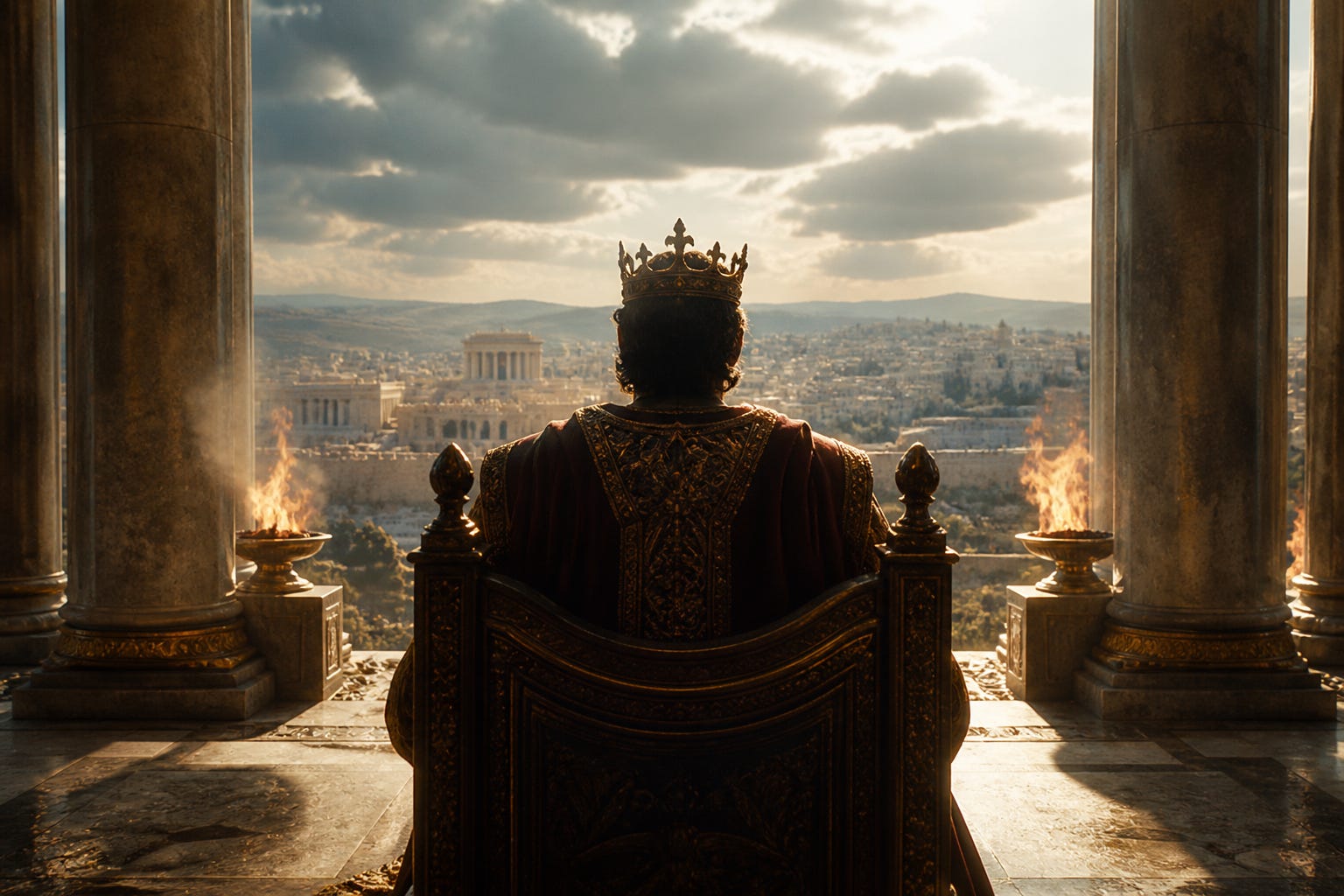
There is a pattern that runs like a deep current shaping Scripture from beginning to end. In the ancient world, a temple was never built in the absence of conflict. A temple always followed victory. A king subdued a threat, defeated an enemy, secured the land, and by doing so established order. Only then did he take his seat on the throne—his rest—within a house prepared for his presence. The story of the Bible is the story of a God who confronts an enemy, establishes order, and then dwells among His people.
From Chaos to Sacred Space
The opening chapter of Genesis begins with a world that is unformed, unpredictable, and untamed—waters that represent something unstructured and without boundary. The Spirit of God hovers like a mother bird over her nest, preparing a world waiting to be shaped into something that can sustain life. This hovering is a sign of divine intention—the quickening presence of God.
God speaks, and the world takes shape. Light is separated from darkness. Waters are gathered and restrained. Dry land appears, providing a fixed point for new life. Life begins to flourish within the boundaries that have been set. This is the first great act of victory—not through violence, but through sovereign authority. Chaos is brought under control and placed under the rule of God. What follows is sacred space for His divine presence—a garden established on a mountain, a place where heaven and earth meet.
Eden is the first temple where God’s presence dwells, where He walks, and where life flows outward. Within this space, humanity is placed as image bearers. Adam and Eve are installed within the garden temple as representatives of God’s rule, called to extend the order of this sacred space outward into the world.
The story of Noah returns to this pattern in a dramatic fashion. The world once again descends into disorder, where human corruption and violence mirror the chaos of untamed waters. Creation begins to unravel, and the waters return as instruments of judgment and cleansing. Yet even here, the story is one of preservation and renewal. Noah is instructed to build a house, a vessel that will carry life through the flood—a kind of floating temple carrying the presence of God through the chaos.
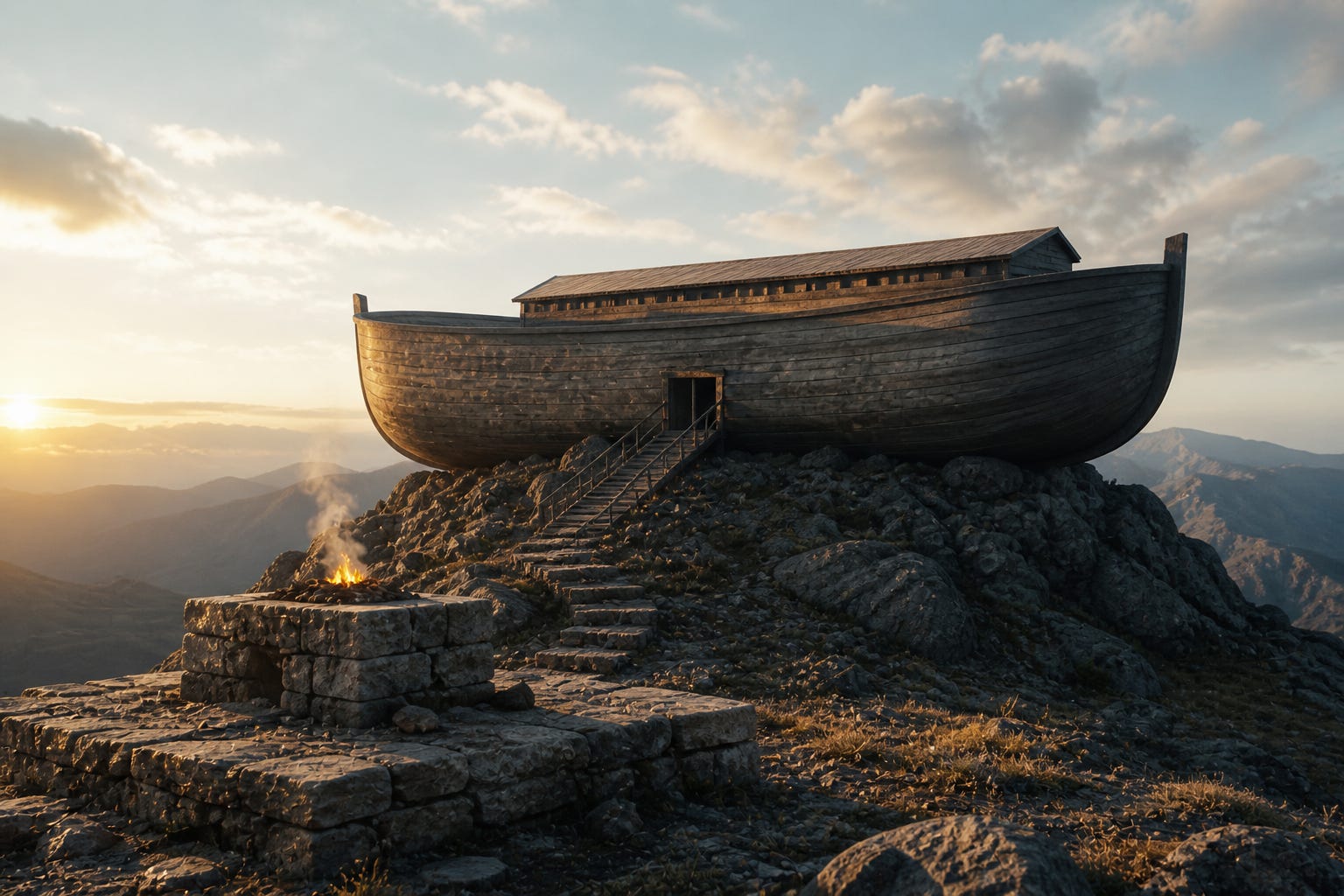
As the waters rise, the ark is lifted above them, echoing a new beginning. The world is once again covered in water, and once again there is a sign of life returning—a dove sent out over the waters. The dove signals that the waters are receding. The ark comes to rest on a mountain, the place of stability where heaven and earth meet. When Noah emerges, he builds an altar. The re-entry into the world is marked by worship and the recognition that life continues because God’s presence has carried it through judgment.
Victory Leads to Dwelling
With Abraham, the pattern becomes more personal. When he confronts the coalition of kings, he steps into a conflict that mirrors the larger struggle between order and disorder. After his victory, he does not choose the fertile plains. Instead, he moves toward the mountains, toward Hebron. There he dwells in tents, establishing a household that carries the presence forward. The structure may be temporary, but the pattern remains: after victory, a dwelling is established, and the presence of God is carried into the world.
This pattern comes into even greater clarity in the book of Exodus. Chaos is embodied in a system that oppresses, enslaves, and destroys life. Egypt becomes a representation of anti-creation. Yahweh enters as the Divine Warrior, confronting the powers that hold His people in bondage. The plagues dismantle that system, revealing that the gods of Egypt have no real power or authority.
The climax comes at the sea, the ultimate symbol of chaos. The waters are divided at the command of God, and Israel passes through on dry ground, echoing creation itself. The same waters collapse upon the Egyptian army, bringing a decisive end to their power.
The story, however, does not end at the sea. Israel is led into the wilderness and brought to the mountain, where covenant is established and order is defined. Instructions are given for the Tabernacle, a mobile temple reflecting the cosmos, the mountain, and the garden. The presence of God fills this space and becomes the center of Israel’s life. Once again, chaos is defeated, order is established, and a dwelling place for God is created.
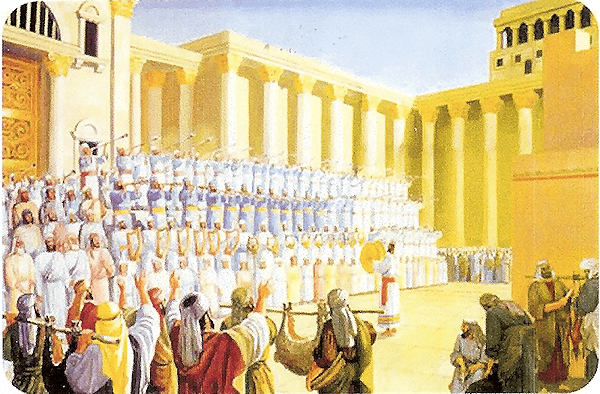
The story continues through the conquest and monarchy. Under Joshua, the people cross the Jordan into a new phase of life, with the Tabernacle ensuring the presence of God remains central. David defeats Israel’s enemies and secures Jerusalem. Solomon builds the temple on Mount Moriah—a permanent house for the presence of God. After victory, a house is built, and God dwells among His people.
The Temple Becomes a Person—and Then a People
In the Gospels, this pattern reaches its fullest expression in Jesus. He enters the waters, confronts the adversary in the wilderness, and demonstrates authority over the sea and the demonic realm that manifests in human brokenness. Each act confronts chaos. Each act sets captives free. His greatest victory comes through entering the realm of death itself. The cross becomes the battlefield, and the resurrection the victory over death that results in a new creation temple.
Yeshua embodies that temple. He becomes the place where heaven and earth meet. The temple is no longer confined to a stone building; it is present in a person, and through Him extends into His people.
Revelation brings the story to its conclusion. Chaos rises once more, depicted as beasts and empires, but is ultimately defeated. A city descends—a dwelling place that is also a mountain, a temple, and a garden. The entire city is filled with the presence of God. Heaven and earth are united, and the pattern reaches fulfillment.
If the pattern has always moved from victory to dwelling, where does that leave us now? We do not stand in Eden or gather at a temple in Jerusalem.
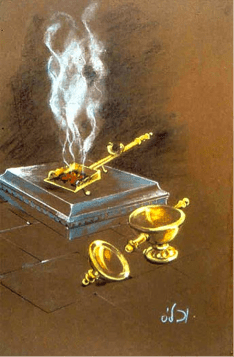
The dwelling place of God is now found within His people. The presence that once filled the garden, the ark, the Tabernacle, and the temple now resides within those who have been renewed. With the resurrection, humanity is being restored as the image-bearing temple of God. The Spirit that hovered over the waters now dwells within, bringing life, order, and transformation.
Through regenerated humanity, that presence is carried into every place and every act of faithful living. We become a living temple, bearing the presence of God into a world that still struggles with chaos and very real evil.
The Temple in a World That Still Feels Broken
When we look at the world, it does not feel like chaos has been defeated. Disorder, suffering, and death remain very real. It can appear as though evil is winning and God is absent. But Scripture never presents victory as instant completion. There is always a space between decisive victory and final restoration.
In the Gospels, Jesus defeats death, yet the world is not immediately transformed.
To say we are the temple is not to deny the darkness around us, but to recognize that God has chosen to dwell within humanity and move through it. Like the Tabernacle in the wilderness, the presence now travels into places still marked by chaos.
To those looking toward a future temple in Jerusalem, we are still called not to stand idle, but to live now as the dwelling place of God—carrying His presence into the world even as we watch for what is yet to come.
We carry the presence not because the world is finished, but because God is still restoring it—through us.